Nervous System Recovery Strategies to Take Your Performance to the Next Level
Danielle Ivie, DPT, CSCS | Founder of Powered by Movement Physical Therapy
If you have a body, you are an athlete. That is our mantra at Powered by Movement, and we help you keep moving to live your healthiest, pain-free life. As we approach the busy spring season, I wanted to dive into recovery strategies, specifically how to optimize function of your nervous system, to perform at your best for years to come in your training.
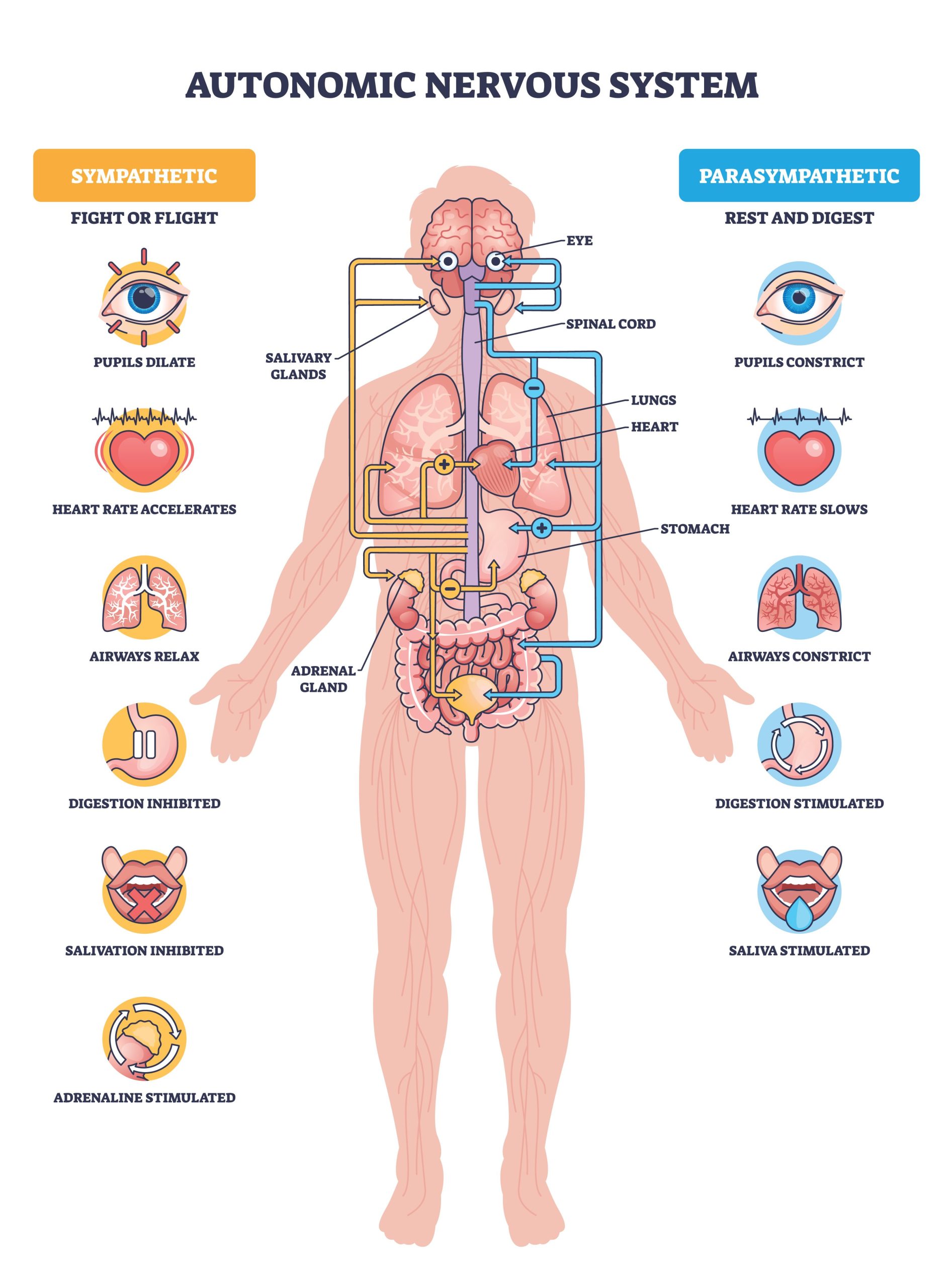
Consider your nervous system as the “CEO of Movement”. It controls everything your body does and is constantly taking in information about internal and external environments, how you feel, what you eat, and what stimulus you put your body through each day. There are two parts of the nervous system – the sympathetic nervous system and the parasympathetic nervous system.
The sympathetic nervous system is your fight or flight response. It is run primarily by adrenaline and cortisol hormones. The parasympathetic nervous system is your rest and digest response. It is controlled by the vagus nerve. We need a healthy balance of both of these systems to perform well both in competition and for longevity of health and fitness.
Your fight or flight response is an immediate stress response. Cortisol is a long term hormonal response in our bodies that helps us manage stress. Cortisol has become quite the buzz word in mainstream media and often is presented in a bad light, but it is usually a good thing. Cortisol only becomes negative when it stays elevated for too long, leading to chronic stress in our body. The goal is not to eliminate cortisol, but to achieve a healthy pattern of large cortisol spikes followed by quick, effective recovery for adaptation.
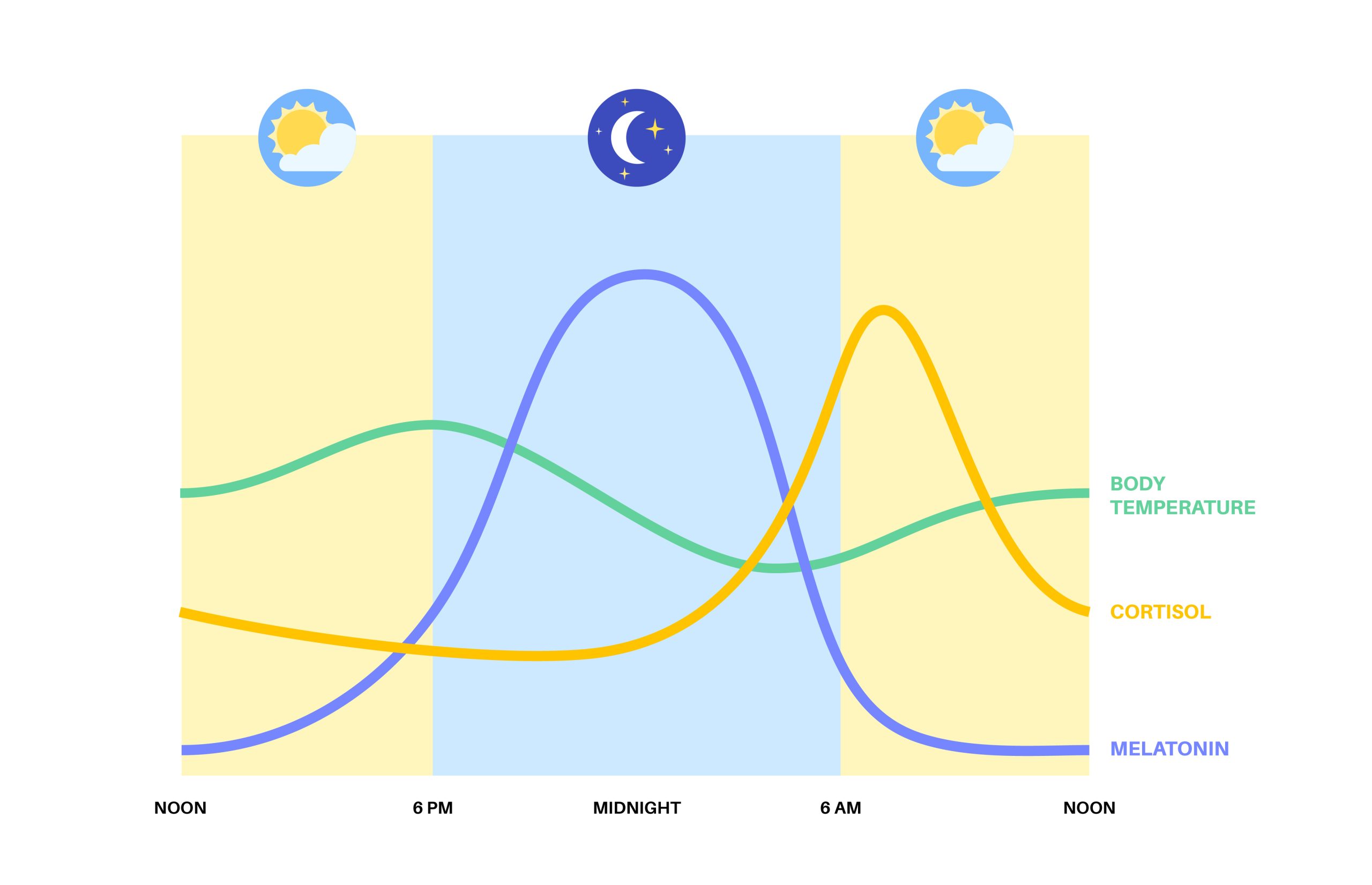
Now, although spikes of cortisol followed by effective recovery are ideal, there are “good” and “bad” spikes of cortisol. Not all stress is created equal. For example, exercise is a positive stress on the body, but excessive alcohol intake is a negative stress on the body.
Positive Cortisol Spikes
- Natural spike upon waking
- Exercise
- Caffeine (?)
Negative Cortisol Spikes
- Caffeine (?)
- Poor sleep
- Alcohol
- Prolonged work/relational stress
- Excess sugar/processed foods
There is a question mark about caffeine because caffeine can be a positive stressor and has shown benefits for exercise and strength performance; however, too much caffeine becomes a negative. Everything in moderation! Our overall goal is to find an optimal balance between good cortisol spikes, negative cortisol spikes, total stress level and training volume.
So how do we find that balance of cortisol spikes? And how do we induce effective recovery following those spikes? The leader of recovery is your parasympathetic nervous system. The parasympathetic nervous system is controlled by the vagal nerve, and higher vagal tone improves recovery and resilience over time.
High vagal tone is measured by high heart rate variability, lower resting heart rate, and better emotional
regulation. Things like deep breathing, slow and purposeful movement, and quality sleep calm a stressed
nervous system and help us effectively recover. Sleep, in particular, is the most underrated recovery tool of all time. If you can get more quality sleep – do it!
Stress + Recovery = Adaptation
Finding the balance between the sympathetic nervous system (fight or flight) and the parasympathetic nervous system (rest and digest) is key for adaption and longevity of health and fitness. If we overtrain, lack quality sleep, and have several high stressors in life without adequate recovery we run the risk of chronic fatigue, burn out, and potentially injury. This is true in both the short term (competitions, hard workouts) and the long term (longevity of health, fitness and performance).
An added layer is, your body needs to feel safe to tap into the parasympathetic nervous system and recover.
If a threat is perceived – pain, lack of range of motion, too much training volume – your body stays on high alert, or in stress mode, and never shifts over to recovery mode. This leads to prolonged elevation of cortisol, which we mentioned earlier as being the danger zone when it comes to stress hormones.
Addressing factors such as overtraining (program in rest days!), life stressors (find outlets for stress management that are not exercise), improving sleep, and optimizing movement patterns and range of motion for desired activities will allow your body to feel safe to recover and reach the goal of adaptation.
On a day-to-day basis, here is what that can look like pre- and post-workout:
Pre-Workout
- Efficient warm up to prime nervous system (no perceived threats)
- Increase blood flow, mobility specific to movements of workout
- Get sweaty
Post-Workout
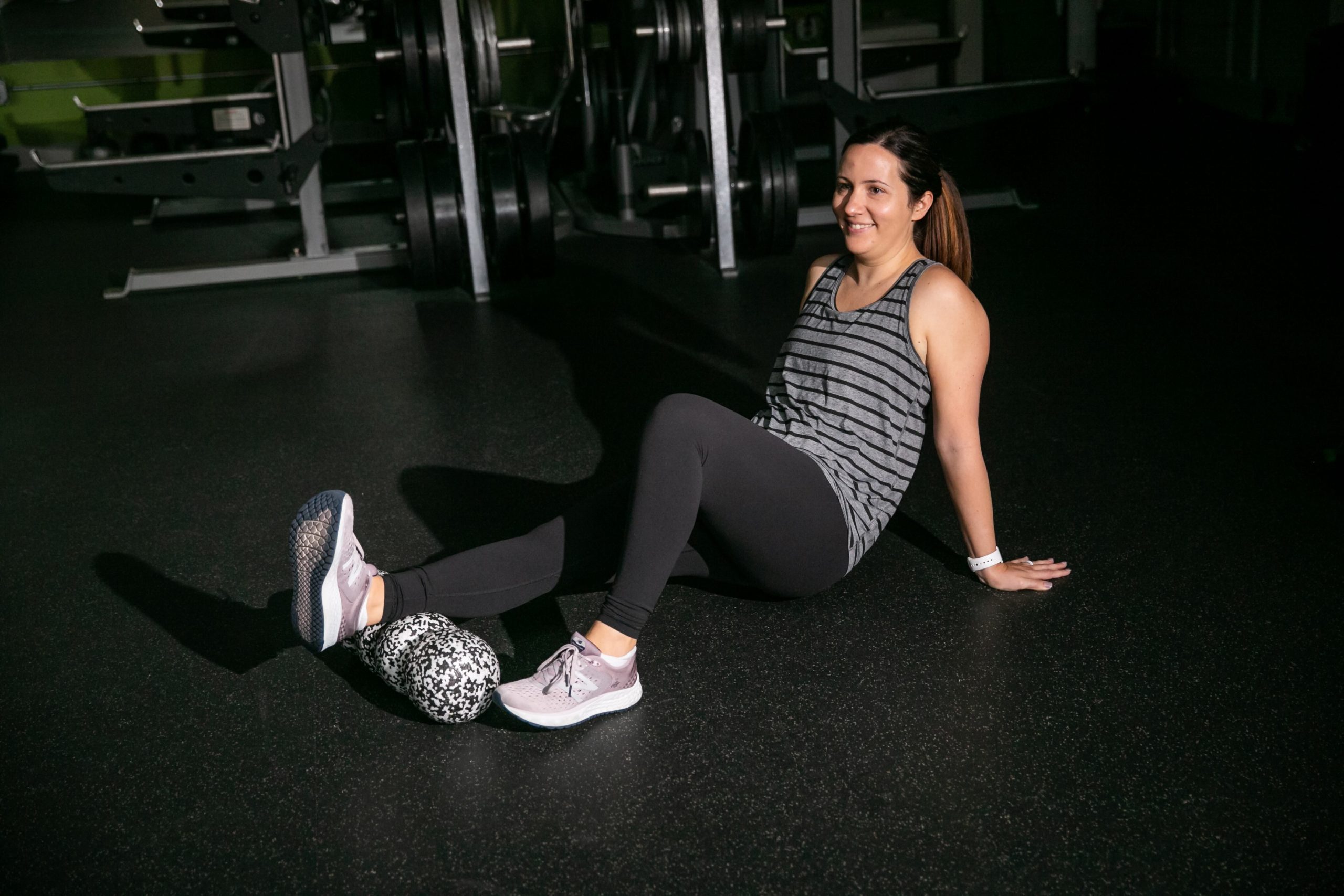
- Catch your breath, slow breathing down
- Recovery mobility- move through sore spots from training session
- SLEEP
- The most underrated recovery tool. Without quality sleep, everything else sucks. I promise.
- Do not go hard every day of the week. Ideally 2 days of light activity, 1 is okay if you have a lighter workout day.
- Light activity/recovery doesn’t mean you have to be a couch potato
Understanding your nervous system gives you true insight into how to effectively recover so you can crush your goals and ensure longevity of your health, fitness and performance. A balanced nervous system requires that your body feel safe enough to recover after intense bouts of exercise, and total cumulative stress (training volume, life stressors, diet, sleep) matters more than a snapshot in time (a really hard week of workouts).
Take this information, make tweaks where you can, and get started on recovering harder to perform your best for the long term. Go crush your goals, I’ll be cheering you on! And get some sleep. 😉
————————————————————————————————
At PXM, we help active people in St. Louis recover from injury, optimize movement, and stay out of pain for the long term while reaching their health & fitness goals. With our unique approach to physical therapy, our top priority is to provide you with holistic, fitness forward healthcare that emphasizes your goals.
We get you back to thriving in the activities you love with our 3 step process:
POWER UP: Diagnose and understand the root cause of your problem.
POWER BOOST: Create a custom plan for you to restore function & get back to what you love.
POWER PEAK: Optimize performance to keep pain away for good & get stronger than ever.
Not sure if PXM is right for you? Have more questions? Schedule a Free Consultation today.